Last Updated on June 27, 2026 by Johnny Peter
The gap between a selfie that looks casually good and one that looks professionally edited is smaller than most people assume — and it has less to do with which editing tool you use than with a handful of decisions made before and during the edit. Professional retouchers aren’t working magic; they’re applying consistent principles that anyone can learn and implement.
Getting your faceretouch results to look genuinely professional comes down to understanding what separates natural-looking edits from obvious ones — and building habits that keep you on the right side of that line.
The Shot Itself Does Most of the Work
Selfies that retouch well share a few common qualities before any editing begins. Soft, even lighting — from a window rather than overhead or direct flash — reduces harsh shadows that make skin texture look more pronounced and harder to correct cleanly. Holding the camera slightly above eye level and at arm’s length rather than close up avoids the perspective distortion that wide-angle lenses introduce at short distances.
These aren’t photography technicalities — they’re practical adjustments that take seconds and meaningfully reduce the editing workload afterward.
Skin Retouching: The Most Common Mistakes
Skin is where most face retouching goes wrong, and almost always in the same direction: too much smoothing applied too broadly. The result is skin that looks like it belongs on a CGI character rather than a real person — uniform, textureless, and slightly unreal in a way that viewers register immediately even if they can’t identify why.
Professional skin retouching targets specific problem areas rather than the whole face. It softens without erasing texture, corrects uneven tone without flattening natural variation, and leaves the areas around the eyes and mouth largely untouched because expression lines in these zones are part of what makes a face look animated and genuine.
Eyes and Teeth: High Impact, Easy to Overdo
Brightening the whites of the eyes and evening out teeth are two of the highest-impact retouching adjustments available — and two of the easiest to push too far. Eyes that are brightened excessively look unnatural and slightly unsettling. Teeth that are whitened beyond a natural range draw attention to themselves rather than to the smile.
A useful benchmark: the adjustment should make the subject look like they’re in good light and good health, not like they’ve had cosmetic work done. Subtle brightening that enhances rather than transforms is always more convincing.
Consistency Across the Face
One of the clearest markers of amateur retouching is inconsistency — skin that’s heavily smoothed in one area and untouched in another, or one eye brightened more than the other. Professional results come from treating the face as a whole rather than fixing isolated areas independently. Whatever level of correction you apply to one cheek should match the other; whatever you do to one eye should be mirrored.
When Professional Retouching Is Worth It
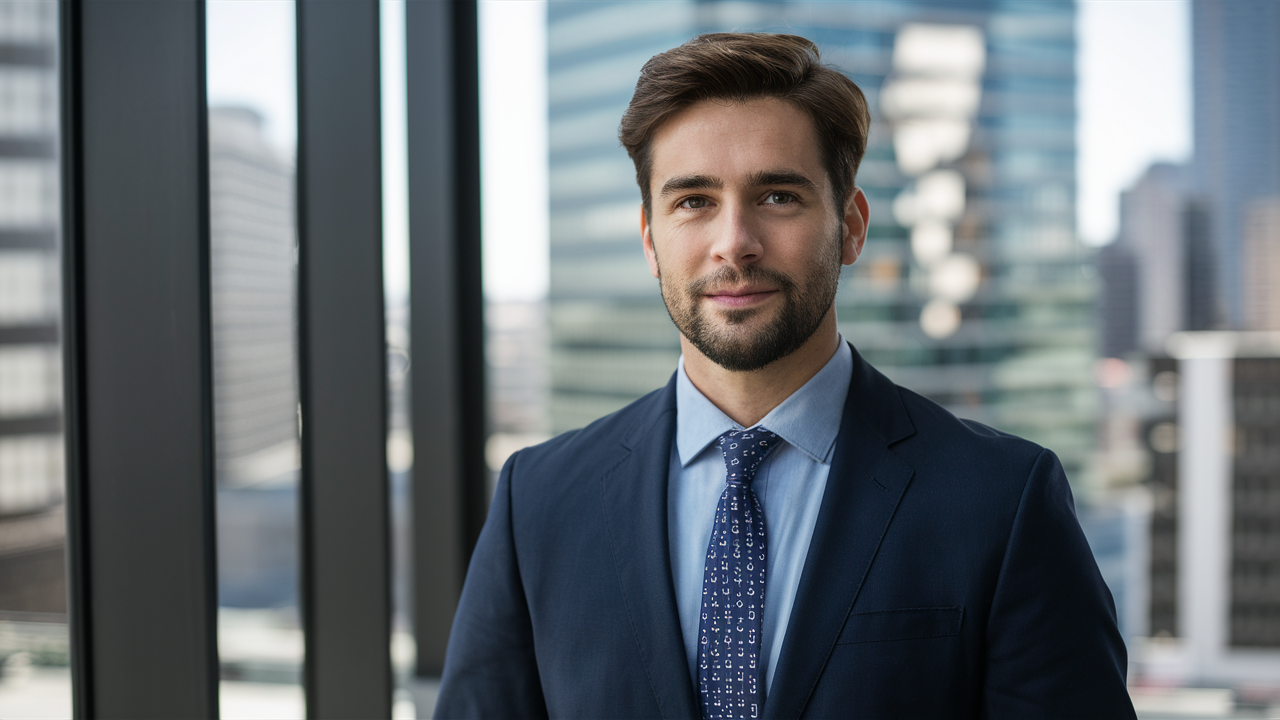
For selfies going directly to social media, careful self-editing with moderate settings produces perfectly good results. For photos being used in professional contexts — a LinkedIn profile, a speaker headshot, a profile picture that represents you to people who don’t know you — RetouchMe’s human retouching delivers a level of consistency and naturalness that’s difficult to achieve through self-editing alone. A professional retoucher sees the face as a whole and applies corrections with the kind of judgment that comes from doing this work daily. For photos that matter, that difference shows.