
Last Updated on January 17, 2026 by Johnny Peter
Photo by Aditya Kulkarni on Unsplash
Chocolate bars that promise calm focus, gummies positioned as mood support, and snacks marketed as part of a daily wellness routine would have sounded strange a decade ago. Today, they are increasingly normal. The rise of “feel-good” foods reflects a broader shift in how people think about health, indulgence, and self-care. Instead of drawing a hard line between pleasure and function, many consumers now expect foods to do a little of both. That expectation is also why people find themselves comparing products more carefully, weighing ingredients and intended effects in discussions like Tabs vs Alice Chocolate, rather than treating chocolate as a simple, interchangeable treat.
This change didn’t happen overnight. It emerged from overlapping trends in wellness culture, food technology, and consumer skepticism, all converging on a single idea: if something is going into your body every day, it should ideally support how you feel, not just taste good.
The Decline of “Empty Indulgence”
For much of modern food history, indulgence and health were positioned as opposites. Treats were meant to be guilty pleasures, eaten occasionally and without much thought. Supplements, on the other hand, were framed as functional but often unpleasant necessities. You endured them for long-term benefits, not enjoyment.
That separation has weakened. People still enjoy treats, but they are less comfortable with foods that feel nutritionally pointless or leave them feeling worse afterward. Sugar crashes, artificial additives, and overly processed snacks have become part of a broader conversation about energy, mood, and long-term wellbeing.
As a result, indulgence is being redefined. A “treat” is no longer just about sweetness or richness. It’s increasingly about how the product fits into daily life: whether it causes a spike and crash, whether it interferes with sleep, and whether it aligns with personal health goals. Feel-good foods occupy this middle ground, offering pleasure while signaling intention.
Why Functional Ingredients Moved Into Familiar Formats
Another reason the line between treat and supplement is blurring is familiarity. Swallowing capsules or powders feels clinical to many people. Eating chocolate, drinking tea, or snacking on a bar feels intuitive and comforting. When functional ingredients are delivered in formats people already enjoy, they are more likely to become part of a routine.
Food companies recognized this early. Instead of asking consumers to adopt entirely new behaviors, they adapted existing ones. Chocolate became a particularly appealing vehicle. It has a long cultural association with comfort, focus, and mood, and its rich flavor can mask or complement other ingredients.
This doesn’t automatically make every functional chocolate effective or appropriate, but it does explain why consumers now approach these products differently. They are not choosing between candy and supplements; they are choosing how they want to experience support in their daily lives.
Consumer Literacy Is Driving Comparison
As feel-good foods proliferate, so does consumer literacy. People are reading labels, learning basic ingredient differences, and questioning vague claims. This has shifted decision-making away from impulse and toward comparison.
Rather than asking “Does this taste good?” the question becomes “How will this make me feel?” That question naturally leads to comparisons between products that look similar on the surface but differ in formulation, dosage, or intended effect. The treat category has become analytical in a way that was once reserved for supplements.
This doesn’t mean consumers expect food to replace medicine or therapy. It means they want clarity. If a product is positioned as functional, people expect transparency about what it does and what it doesn’t do. Ambiguity that once passed in the snack aisle is now scrutinized.
The Psychological Comfort of Hybrid Products
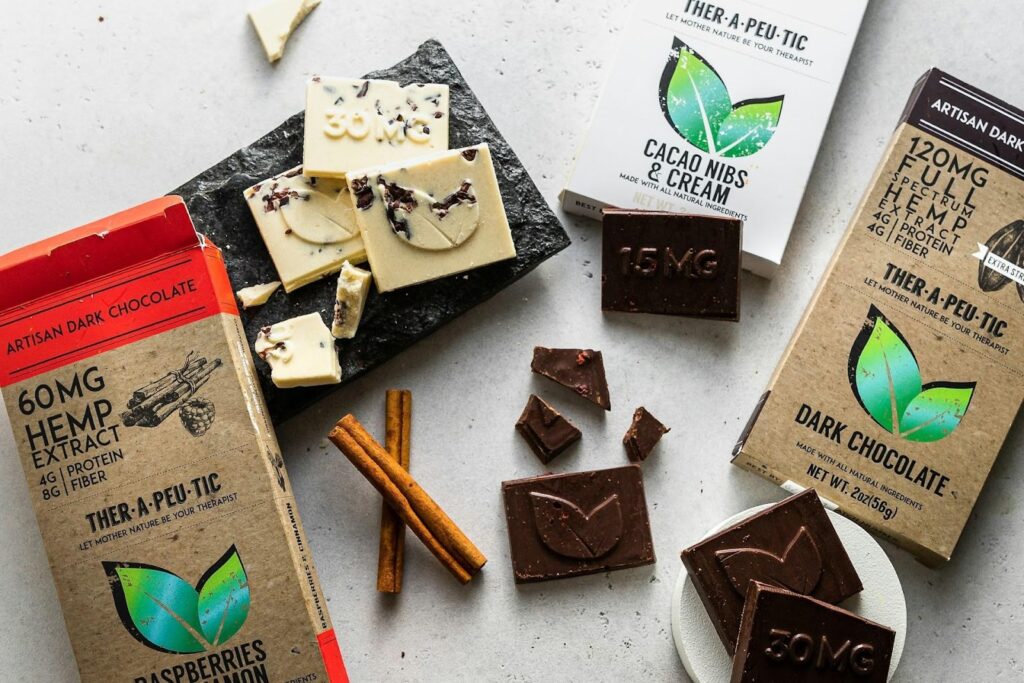
Photo by Elsa Olofsson on Unsplash
There is also a psychological layer to the rise of feel-good foods. For many people, health routines can feel rigid or joyless. Supplements, strict diets, and rules around “good” and “bad” foods can create anxiety rather than balance.
Hybrid products soften that edge. They allow people to feel like they are doing something supportive without adding friction to their day. Eating a piece of chocolate that aligns with wellness goals feels gentler than remembering another pill or restriction.
This emotional aspect matters. Behavior change is rarely sustained by discipline alone. It is sustained by routines that feel rewarding enough to repeat. By blending treat and supplement, feel-good foods tap into that reality.
Where Regulation and Reality Intersect
As these products grow in popularity, questions around safety and moderation also become more relevant. Functional foods often include stimulants, botanicals, or other bioactive compounds that deserve the same consideration as traditional supplements.
This is where authoritative guidance helps ground the conversation. The U.S. Food and Drug Administration regularly emphasizes that even familiar compounds can have effects when consumed in certain amounts or combinations. Their consumer guidance on caffeine, for example, highlights that sensitivity varies widely and that moderation matters, even in foods and beverages that feel commonplace.
That perspective reinforces an important point: “feel-good” does not mean consequence-free. The blurring of categories makes it even more important for consumers to understand what they are choosing, rather than assuming that a pleasant format equals universal suitability.
The Cultural Shift Behind the Trend
At a deeper level, the rise of feel-good foods reflects how wellness itself is changing. Health is no longer framed solely as the absence of illness. It’s framed as daily experience: energy levels, mood stability, focus, and sleep quality. Foods that promise to support these areas naturally attract attention.
This cultural shift also explains why people are less tolerant of extremes. Overstimulation, rigid optimization, and all-or-nothing health trends have lost some appeal. In their place is a quieter emphasis on balance. Products that sit between treat and supplement mirror that mindset. They are not positioned as cures or shortcuts, but as small adjustments within a broader lifestyle.
What This Means for the Future of Food
The boundary between treat and supplement is unlikely to snap back into place. If anything, it will continue to blur as consumers demand products that respect both pleasure and physiology. That doesn’t mean every snack will become functional, or that supplements will disappear. It means categories will keep overlapping.
For consumers, this overlap comes with responsibility. Enjoyment and intention can coexist, but only when choices are informed. For brands, it raises the bar. Vague wellness language is no longer enough. People want to understand how a product fits into their day, not just how it tastes.
In that sense, feel-good foods are less about novelty and more about maturity. They signal a market, and a culture, that no longer wants to choose between caring for the body and enjoying food. Instead, it wants options that acknowledge both, without pretending they are the same thing.