Last Updated on January 17, 2026 by Johnny Peter
Over the last decade, discussions about skin health that once happened quietly between dermatologists and patients have migrated to feeds, forums, and comment threads where anyone can weigh in. The pace and volume of skincare content have grown so rapidly that individuals often find themselves evaluating routines and products with a confidence that would have once seemed unusual outside professional training. Even simple questions such as is goat milk soap good for your face appear within these conversations, not just as queries, but as points of reference in debates about what works, what doesn’t, and what qualifies as reliable information. This shift reflects broader changes in how people encounter, interpret, and share knowledge about skincare.
The Democratization of Beauty Information
The internet has radically lowered the barriers to publishing and sharing information. Early beauty advice came primarily from magazines, professionals, or close social contacts; now it travels across social platforms at high velocity. A single post about a morning routine can receive thousands of comments, and creators with no formal training often deliver guidance that audiences treat as authoritative.
This democratization has obvious benefits. People from diverse backgrounds share experiences that resonate with others, and a broader range of perspectives can illuminate options that might otherwise go unnoticed. Yet it also means that expertise is frequently conflated with visibility. A user with a large following may present an opinion that looks credible simply because it has been viewed and shared widely, not because it is based on controlled observation or evidence.
The Appeal of Personal Narrative
Skincare is inherently personal: people see and feel their own results, and small changes can have emotional significance. This personal connection makes narratives compelling. When someone shares a before-and-after photo, followers often latch onto that story as proof of efficacy, even if the conditions around that transformation are not fully understood.
This emphasis on individual experience drives engagement, but it can also obscure the complexity of biological processes. Anecdotes are useful for initiating questions, yet they are not substitutes for systematic investigation. As more individuals share their routines online, the volume of narratives can create the illusion of expertise where only personal experimentation has occurred.
Confidence Through Repetition
Frequent exposure to skincare content builds familiarity. When the same products or techniques are mentioned repeatedly, they start to feel like established knowledge. This effect is amplified by algorithmic feeds that reinforce patterns of repetition, showing similar posts again and again. Over time, individuals may feel increasingly competent in evaluating and recommending products, even without formal grounding in dermatology or physiology.
This phenomenon is not limited to skincare; it mirrors how people often judge complex subjects in other domains. Familiarity breeds confidence, and confidence can be mistaken for competence. When someone hears the same piece of advice multiple times, they may assume it is well supported, even if its origins are anecdotal.
The Role of Active Communities
Online communities dedicated to skincare are both a source of information and a driver of perceived expertise. Within these spaces, people exchange tips, ask questions, and engage in troubleshooting. Some communities emphasize evidence-based discussion, while others are more experiential and iterative.
These forums provide valuable social support and can help individuals feel less isolated in their concerns. Yet they can also generate consensus around practices that have not been rigorously evaluated. A technique that works for many in a particular forum may not generalize to wider populations. Nevertheless, community validation often functions as a proxy for proof, reinforcing the sense that participants are well informed.
Visual Culture and the Emphasis on “What Works”
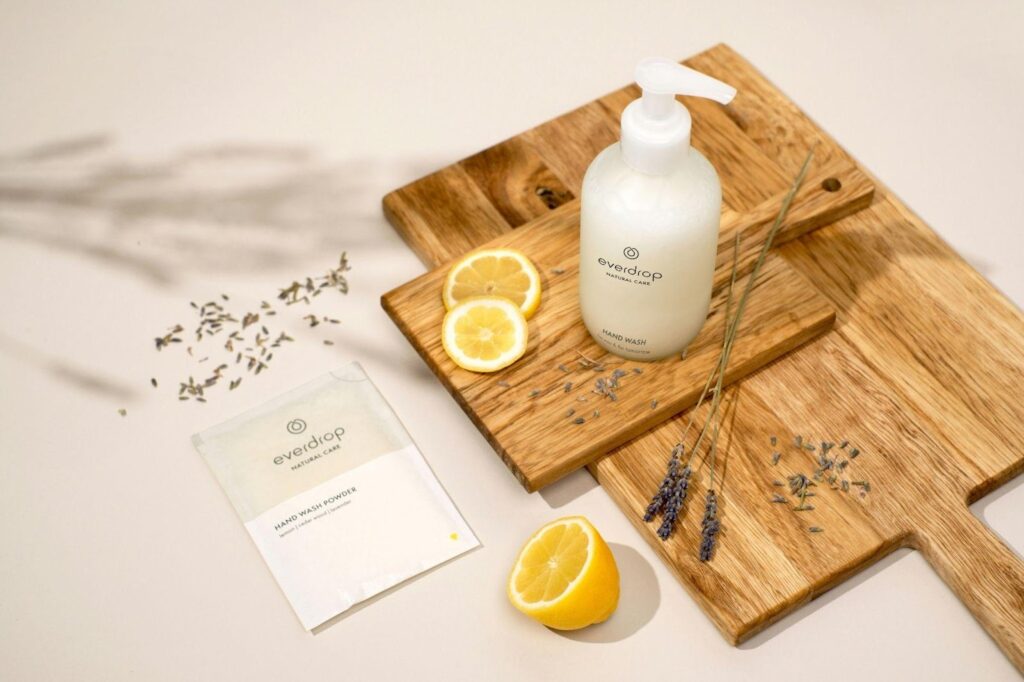
Skincare advice is intensely visual in nature. Before-and-after pictures, routine videos, and product close-ups dominate feeds because they are engaging and show tangible outcomes. Visual storytelling encourages people to judge products and techniques by appearance, sometimes at the expense of deeper context about why results occur.
This visual emphasis dovetails with a broader cultural trend toward immediacy and simplicity in explanations. Complex biochemical interactions or subtle physiological responses do not make for compelling short-form video content. Instead, posts that demonstrate quick fixes or aesthetic improvements attract attention and get shared widely, further blurring the line between entertainment and guidance.
Where Science and Social Perception Diverge
Scientific understanding of skin involves detailed knowledge of anatomy, cellular processes, and individual variation. Effective skincare strategies often depend on factors such as skin type, environmental exposure, and underlying health conditions. While online advice can introduce people to possibilities, it cannot replace the nuanced analysis that trained professionals offer.
Institutions such as American Academy of Dermatology stress that many skin concerns are influenced by genetics, sun exposure, and systemic health, and that not all visible changes are attributable to topical products alone. This perspective underscores that while personal experimentation can be informative, it is not equivalent to clinical evaluation.
The Balance Between Curiosity and Expertise
Wanting to understand one’s own skin better is a natural and valid motivation. People are increasingly proactive about their health, and skincare falls at the intersection of wellness, self-expression, and daily routine. This curiosity fuels exploration and community engagement, which are positive drivers of learning.
Where the dynamic becomes complicated is when confidence outpaces understanding. As people absorb and repeat advice without clear differentiation between anecdote and evidence, conversations can drift toward certainty where it may not be warranted. Learning to hold viewership and experience in balance with critical evaluation is a skill that many community participants are learning in real time.
The Cultural Context of “Everyday Experts”
The rise of the “everyday expert” in skincare reflects broader cultural shifts. People trust peer experience, value relatability, and expect transparency from brands and creators alike. This environment rewards participatory knowledge creation, where expertise is co-constructed by producers and audiences.
Yet cultural authority is not the same as scientific authority. Both have roles to play, and understanding where they intersect,and where they differ,is crucial to interpreting the wealth of information circulating online.
Navigating Skincare Conversations Thoughtfully
For those who follow skincare discussions closely, the challenge is not whether to engage, but how to engage responsibly. Recognizing the difference between anecdote and evidence helps ground conversations in reality while still appreciating the utility of shared experience. People can learn from one another without assuming that every widely shared tip is universally valid.
In a world where many feel empowered to talk about skincare, cultivating curiosity alongside humility allows individuals to benefit from community insight without overclaiming expertise. This balance supports both informed decision-making and an appreciation of the complex, personal nature of skin health.
Ultimately, the feeling that everyone is suddenly a skincare expert is less about a decline in actual expertise and more about a shift in where and how people feel entitled to participate in the conversation. As individuals continue to explore, share, and question, the collective knowledge base will become richer,but so too will the need for thoughtful evaluation of what counts as expertise.