Last Updated on April 17, 2026 by Johnny Peter
Starting your fitness journey can feel overwhelming. Between figuring out workout routines, learning proper form, and staying motivated, the last thing you want is to stress about what to wear. But here’s the truth: the right gym wear isn’t just about looking good—it plays a big role in how comfortable, confident, and consistent you feel.
If you’re just getting started, building a functional gym wear wardrobe doesn’t mean buying everything at once. It’s about choosing versatile, comfortable pieces that support your movement and match your lifestyle. Let’s break it down in a simple, practical way.
Start with the Basics: Comfort Comes First
When it comes to gym wear, comfort should always be your top priority. If something feels too tight, too loose, or restricts your movement, chances are you won’t enjoy your workout—and that can affect your consistency.
Think about it like this: if you were working a long shift in an office or on your feet all day in retail, you’d want clothes that move with you and don’t cause irritation. The same principle applies to fitness.
Start with these essentials:
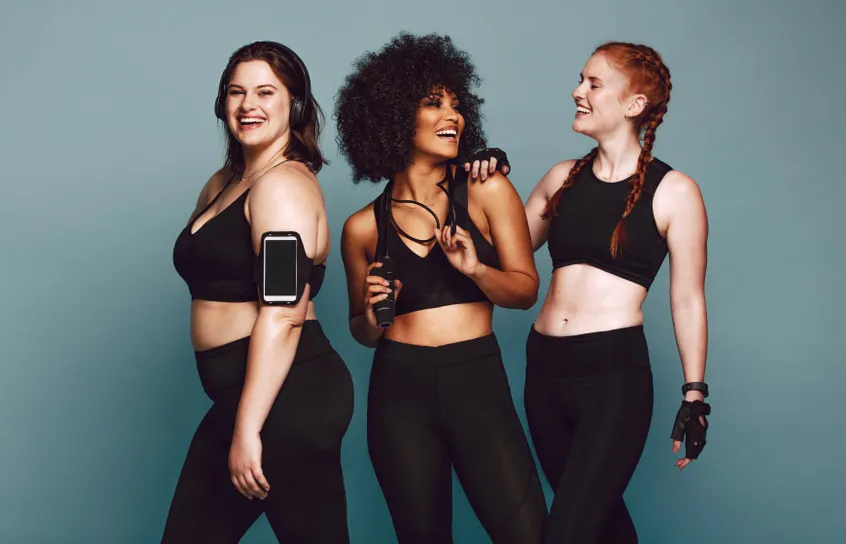
- Breathable tops (like moisture-wicking shirts or tanks)
- Flexible bottoms (leggings, shorts, or joggers depending on your preference)
- Supportive undergarments (especially important for high-impact activities)
Moisture-wicking is a term you’ll see often—it simply means the fabric pulls sweat away from your skin to keep you dry. This makes a huge difference, especially during intense workouts or in warmer environments.
A beginner mistake is choosing gym wear based purely on style. While it’s great to feel confident in what you wear, make sure it doesn’t compromise comfort. If you’re constantly adjusting your outfit mid-workout, it’s not the right fit.
Build Around Your Workout Style
Not all workouts are the same—and your gym wear shouldn’t be either. What works for yoga might not work for weightlifting or running.
For example:
- If you enjoy weight training, you’ll want durable fabrics that can handle friction from equipment.
- If you prefer cardio workouts like running or cycling, lightweight and breathable materials are key.
- For yoga or stretching, flexibility and softness matter most.
This is similar to how professionals in different industries dress for their roles. A construction worker needs durable gear, while someone in hospitality needs comfort and flexibility. Your gym wear should match the “demands” of your workout.
If you’re still exploring different types of fitness, stick with versatile pieces. A good pair of leggings or shorts and a breathable top can work across multiple activities until you figure out what you enjoy most.
Focus on Fit, Not Size Labels
One of the biggest challenges beginners face is choosing the right size. Gym wear sizing can vary between brands, so it’s more important to focus on how something fits rather than the number on the label.
Here’s what to look for:
- Tops: Should allow full range of motion without riding up
- Bottoms: Should stay in place without digging into your skin
- Waistbands: Should feel secure but not restrictive
A good test? Try moving around—squat, stretch, raise your arms. If everything stays in place and feels comfortable, you’ve found a good fit.
This approach is similar to trying on work uniforms or safety gear. You wouldn’t choose something that limits your ability to perform tasks effectively, and the same logic applies here.
As you explore different styles and options, you can browse collections like KEEPTHATPUMP to get a sense of what functional and well-designed gym wear looks like. Seeing different cuts and materials can help you understand what might work best for your needs.
Invest Slowly and Choose Versatility
You don’t need a full wardrobe on day one. In fact, starting small is often the smarter choice.
Begin with a few key pieces:
- 2–3 tops
- 2 bottoms (like leggings or shorts)
- 1–2 supportive items (like sports bras or compression wear)
From there, you can expand based on your routine. If you find yourself working out more often, you might add extra pieces for convenience. If you discover a favorite type of workout, you can invest in more specialized gear.
This is similar to building a work wardrobe or even setting up a home office—you start with the essentials, then upgrade as your needs become clearer.
Versatility is key. Choose neutral colors or simple designs that you can mix and match easily. This not only saves money but also makes getting ready for a workout quicker and easier.
Don’t Underestimate the Confidence Factor
While functionality is the foundation, confidence is what keeps you coming back.
When you feel good in what you’re wearing, you’re more likely to show up and give your best effort. It doesn’t mean you need trendy or expensive pieces—it just means choosing items that make you feel comfortable and confident in your own skin.
Think about how a well-fitted outfit can boost your confidence in a job interview or important meeting. Gym wear works the same way—it sets the tone for how you feel during your workout.
Even small details, like choosing a color you like or a style that suits your personality, can make a difference.
Keep It Practical and Personal
At the end of the day, your gym wear wardrobe should reflect your lifestyle, not someone else’s.
If you’re someone who works out early in the morning, you might prioritize easy-to-wear outfits that require minimal thought. If you go to the gym after work, you might look for pieces that transition well from casual settings to workouts.
There’s no one-size-fits-all solution. What matters most is that your clothing supports your routine and helps remove barriers—not create them.
Building a functional gym wear wardrobe is a process. Start simple, pay attention to what works for you, and make adjustments along the way. Over time, you’ll develop a collection that not only looks good but also helps you perform better and stay consistent.
And that consistency? That’s where real progress happens.