Last Updated on May 12, 2026 by Johnny Peter
The prospect of living without access to electricity is an unsettling reality for far too many households globally. Electricity disconnection occurs when individuals or families are suddenly cut off from the grid due to various reasons, often related to financial hardship or infrastructural challenges. This situation not only affects daily life conveniences but also has profound implications for health, safety, and well-being.
Causes of Electricity Disconnection
There are several reasons why electricity disconnection takes place, and understanding them is essential to formulating comprehensive solutions. The most common cause stems from unpaid bills. Financial difficulty can lead to arrears accumulating to the point where the service provider sees disconnection as the only recourse. Consumers need to communicate proactively with their electricity providers to explore alternative payment plans before reaching this stage.
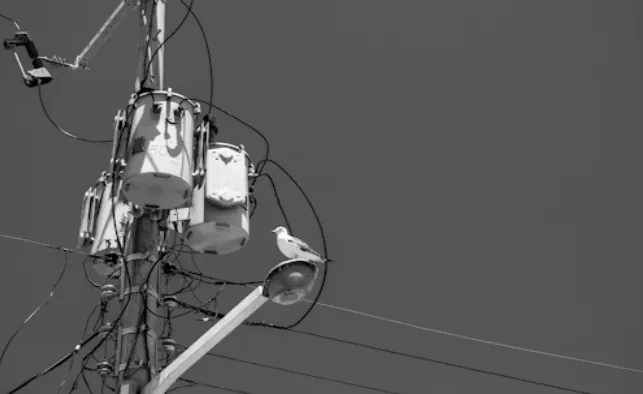
Infrastructure failures also contribute significantly to disconnection incidents. Ageing infrastructure, severe weather conditions, and natural disasters can damage power lines and facilities, leading to temporary or prolonged outages. While these disconnections are not rooted in billing disputes, they underscore the need for robust and resilient grid systems worldwide.
Impacts on Daily Life
The effects of electricity disconnection are immediate and multifaceted. Without electricity, simple tasks become challenging — food preservation becomes problematic without a functioning refrigerator, and communication is hindered by uncharged phones and devices. More critically, those reliant on electric medical devices face potentially life-threatening situations if their electricity supply is discontinued.
Productivity in both adult and children’s lives is severely affected. Adults working from home find themselves unable to fulfil work commitments, while children are deprived of the tools necessary for modern education, particularly as online learning becomes increasingly commonplace.
Legal and Regulatory Frameworks
Different jurisdictions have varied legal protections for consumers facing electricity disconnections. Some regions enforce stringent regulations that require ample notice before disconnection and mandate that vulnerable populations, such as the elderly or those with serious medical conditions, receive special considerations. In other jurisdictions, regulations may be less protective, illustrating the disparity in consumer protection worldwide.
Debates continue regarding the balance between utility companies’ rights to receive payment for services and consumers’ rights to essential utilities. Many advocate for the implementation of comprehensive policies that protect vulnerable consumers while ensuring the sustainability of utility providers.
Energy Assistance Programmes
In light of the severe impact on affected individuals, many countries have developed energy assistance programmes aimed at those most at risk of disconnection. These programmes often provide financial assistance or subsidies to low-income households to help offset the cost of electricity. Additionally, some programmes focus on improving energy efficiency within homes to reduce overall consumption and ease the financial burden on consumers.
Charitable organisations also play a vital role in providing emergency assistance, especially during peak periods such as winter when the need for heating dramatically increases. However, despite these efforts, there are still gaps in coverage, particularly in underserved or remote communities.
Technology and Smart Solutions
Technological advancements have the potential to significantly reduce the incidence of electricity disconnection. Smart metres, for example, allow consumers to monitor their energy consumption in real-time and adjust their usage accordingly. This technology also facilitates pre-payment systems, which can prevent disconnection by allowing consumers to pay for electricity in advance.
Distributed generation, such as rooftop solar panels, offers an alternative route by allowing households to produce their own electricity and reduce dependence on the grid. This not only provides a backup during outages but also contributes to lower electricity bills.
Community Involvement and Social Responsibility
The issue of electricity disconnection is not just a personal or household concern but a matter of broader social responsibility. Communities can come together to support one another through local initiatives such as sharing resources or creating community power schemes. By fostering a collective approach, these efforts can mitigate the effects of disconnections and promote resilience.
Social enterprises and cooperatives focused on energy are emerging as innovative models to ensure equitable access to electricity. By prioritising community benefit over profit, these models aim to democratise energy access and provide a reliable safety net for those facing electricity insecurity.
Mental and Physical Health Implications of Electricity Disconnection
Being disconnected from electricity has profound consequences beyond mere inconvenience—it directly affects both mental and physical health. The inability to power heating or cooling systems during extreme weather can lead to hypothermia or heat-related illnesses. Similarly, lack of lighting and functional appliances can disrupt sleep patterns, nutrition, and hygiene, compounding stress and fatigue.
On the mental health front, electricity disconnection often induces anxiety, depression, and a sense of social isolation. The constant worry about daily survival, managing household chores, and the inability to stay connected with work or school exacerbate psychological strain. Vulnerable populations, including the elderly, children, and those with chronic illnesses, are particularly at risk. Recognising these health implications underscores the importance of emergency support programmes, community resilience initiatives, and policies that prioritise uninterrupted access to electricity as a basic human necessity.
Conclusion
While significant strides are being made to address the pervasive issue of electricity disconnection, continued efforts are required to ensure no one is left in the dark. Through a combination of effective regulations, technological innovation, and community engagement, it is possible to create a more equitable and resilient energy system for all.