Last Updated on September 12, 2026 by Johnny Peter
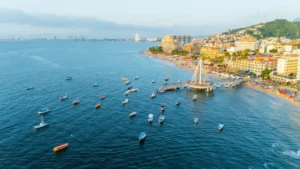
Flying from the US to Puerto Vallarta brings you to a Pacific destination where beaches, mountains, neighborhoods, and marine experiences fit within the same itinerary. Located on Banderas Bay and backed by the Sierra Madre, the city combines a warm coastal climate with an urban center that still feels closely connected to the sea.
Begin planning by deciding whether you want a relaxing beach stay or an itinerary filled with boat trips and outdoor activities. When reviewing flights to Puerto Vallarta, consider spending at least four or five days in the area. This provides time for the Malecón, the Romantic Zone, several beaches, and one full-day excursion.
Why Puerto Vallarta appeals to US travelers
Puerto Vallarta has become an established choice from the United States because its international airport connects the region with multiple US departure points. Nonstop availability varies by city and season, but the destination remains relatively accessible for both short vacations and longer stays.
Banderas Bay gives the region much of its identity. Beaches stretch north and south of the urban center, while boats connect coastal communities and coves that cannot always be reached directly by road.
The surrounding mountains also create a landscape distinct from flatter resort corridors. Jungle-covered slopes frame the bay, and the compact central districts allow you to combine beach time with galleries, restaurants, markets, and nightlife.
A balanced Puerto Vallarta travel itinerary can include:
- Urban beaches near restaurants and transportation.
- A morning walk along the Malecón.
- Dinner and nightlife in the Romantic Zone.
- A boat excursion around Banderas Bay.
- Time in nearby coastal communities.
Beaches and the Malecón
Puerto Vallarta’s beaches vary in size, access, surf, and atmosphere. Some are lively and centrally located, while others require a bus, taxi, water taxi, or boat tour.
Playa Los Muertos
Playa Los Muertos is the best-known urban beach and one of the most active areas in the city. It sits beside the Romantic Zone and offers restaurants, beach clubs, water activities, and access to the distinctive Los Muertos Pier.
The beach is convenient if you want services nearby, but it can become busy during weekends and high season. Water taxis departing from the pier provide access to several communities and beaches south of the city.
Quieter beaches and southern coves
For a different pace, consider beaches outside the central district:
- Conchas Chinas: a series of small sandy and rocky sections south of the Romantic Zone.
- Playa Palmares: a broader beach reached along the coastal highway.
- Las Gemelas: known for its compact coves and clear water when conditions permit.
- Mismaloya: a beach community south of the city with access to boat trips and nearby Los Arcos.
- Yelapa and Quimixto: coastal communities generally reached by boat, with beaches and inland walking routes.
Sea conditions can change quickly. Follow posted flags, ask locally about currents, and do not assume every beach is suitable for swimming on a particular day.
Walking the Malecón
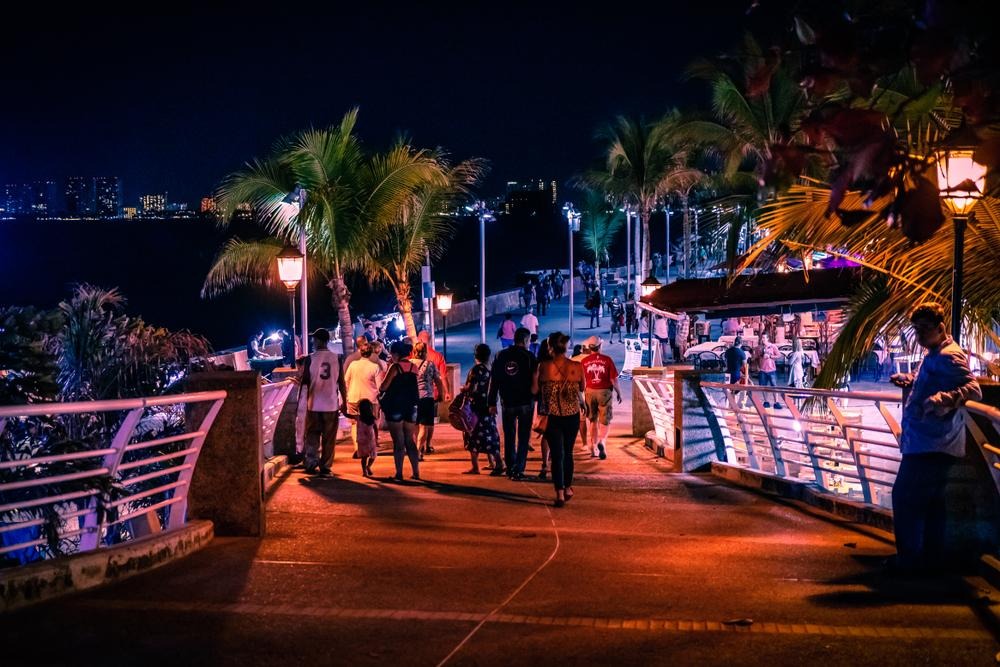
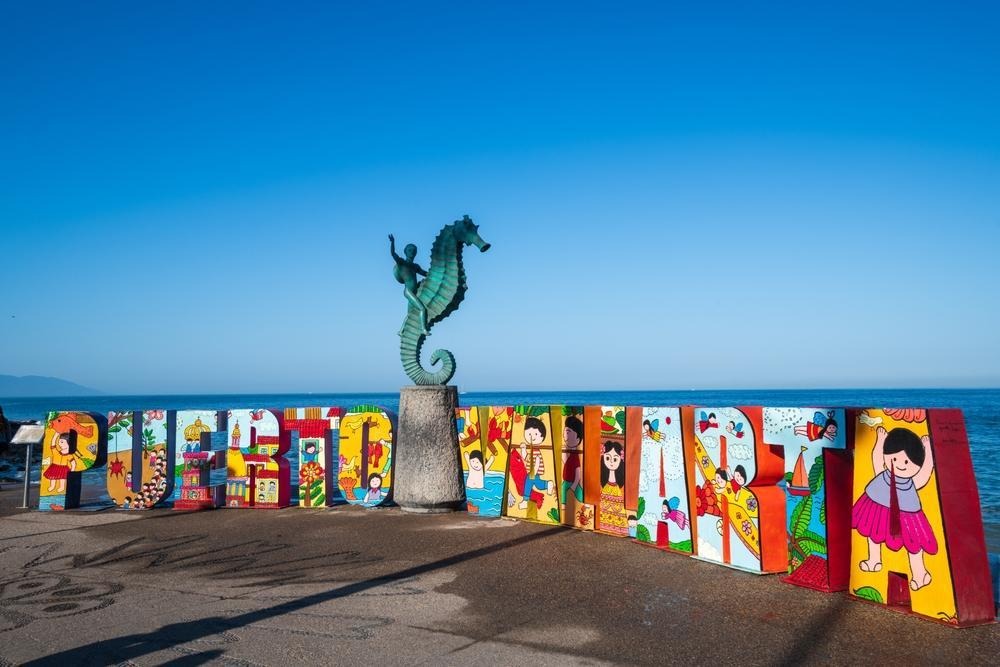
The Malecón is a pedestrian waterfront promenade lined with sculptures, shops, restaurants, and public spaces. It connects the traditional downtown area with the Río Cuale and the Romantic Zone, making it useful as both an attraction and a walking route.
Late afternoon is a good time to explore because the temperature begins to ease and the promenade becomes more active. Along the way, you can stop at the Church of Our Lady of Guadalupe, browse local art, or continue across the river toward Playa Los Muertos.
The Romantic Zone after sunset
The Romantic Zone, also known as Old Town, concentrates much of Puerto Vallarta’s dining and nightlife. Its cobblestone streets contain taco stands, bakeries, traditional restaurants, contemporary dining rooms, cocktail bars, and clubs.
The neighborhood is also an important center for LGBTQ+ nightlife and hospitality. The atmosphere changes by street and time of day, so you can choose between a relaxed dinner, live music, a beachfront drink, or a later night at a dance venue.
What to eat in Puerto Vallarta
The local food scene draws heavily from the Pacific coast and the culinary traditions of Jalisco and Nayarit. Seafood is prominent, but the city also offers regional meat dishes, antojitos, and contemporary Mexican cooking.
Look for:
- Pescado zarandeado: grilled fish seasoned and cooked over an open flame.
- Ceviche and aguachile: raw seafood preparations served with citrus, chile, and fresh accompaniments.
- Tacos de pescado or camarón: fish or shrimp tacos prepared in different coastal styles.
- Birria: a slow-cooked regional dish generally made with goat or beef.
- Tuba: a traditional palm-based drink commonly served with fruit and nuts.
Choose busy food stands with visible preparation practices and ask about spice levels before adding salsa. For chef-led restaurants, reservations may be useful during weekends and high season.
Marine activities and excursions around the bay
Boat tours are among the most popular ways to experience Banderas Bay. Before reserving, compare group size, itinerary, conservation practices, included equipment, and the amount of time spent in transit.
Whale watching
Humpback whales migrate through the region during winter. The officially authorized observation period generally runs from December into March, although dates are announced for each season by Mexican environmental authorities.
Book with an authorized operator that follows required distances and wildlife-observation rules. Sightings are never guaranteed, and boats should not chase, surround, or separate whales.
Morning departures may offer calmer conditions, but weather and sea state should be confirmed on the day of the trip.
Islas Marietas National Park
Islas Marietas is a protected archipelago located northwest of Puerto Vallarta. Authorized excursions may include boating, birdwatching, snorkeling, and environmental interpretation.
Access to Playa del Amor, often called Hidden Beach, is restricted and is not automatically included in every tour. Availability depends on permits, operating days, sea conditions, and conservation limits.
Before booking, confirm:
- Whether the operator is authorized to enter the protected area.
- Which locations the itinerary actually includes.
- Whether conservation fees and equipment are included.
- The physical requirements for entering Playa del Amor.
- What happens if weather prevents access.
Other tours and outdoor experiences
Depending on the season and your interests, you can also consider:
- Snorkeling or diving near Los Arcos.
- Sailing or sunset cruises across Banderas Bay.
- Hiking to waterfalls with a qualified local guide.
- Ziplining in the mountain foothills.
- Surfing lessons north of the city.
- Food, art, or neighborhood walking tours.
Avoid scheduling multiple boat excursions on consecutive days. Leaving an open day provides flexibility if marine conditions change.
Practical advice for planning your trip
When to visit
November through April generally offers drier weather and comfortable conditions for outdoor activities. It is also the busiest period, particularly around holidays and winter breaks.
The warmer, rainier season usually extends from June through October. Rain often develops later in the day, but tropical systems can affect transportation and marine activities. May and November may provide a transition between seasons, although conditions vary each year.
If whale watching is your priority, travel during the officially announced observation season and reserve with an authorized operator.
How to get around
- Local buses: useful for reaching downtown, the Hotel Zone, and several communities along the coastal highway.
- Taxis and app-based rides: practical for neighborhoods not connected by a direct bus route.
- Water taxis: available from locations such as Los Muertos Pier and Boca de Tomatlán for southern beaches.
- Rental cars: helpful for independent regional trips but generally unnecessary if you remain within the central city.
- Airport transportation: use authorized taxis, a prearranged transfer, or another service permitted at the terminal.
Traffic increases during commuting periods and high season, so leave extra time for airport transfers and scheduled tours.
Why advance planning matters
Flights, accommodations, and marine excursions can have limited availability during winter, spring breaks, and holiday periods. Reserving early gives you more choices of departure schedules from the United States and makes it easier to coordinate airport transportation and seasonal activities.
If your broader itinerary connects another part of Mexico to Puerto Vallarta, compare the total travel time with flying directly from the United States. An additional stop may add complexity without providing enough time to explore the intermediate destination.
Carry a valid passport, verify current Mexican entry requirements, and review official guidance for Jalisco and Nayarit if your plans cross state boundaries around Banderas Bay.
Where the mountains meet the Pacific
Puerto Vallarta offers more than a conventional resort stay. Its beaches, waterfront promenade, neighborhood food, nightlife, protected islands, and seasonal wildlife create several possible versions of the same trip. With enough time to explore beyond your hotel, flying from the US to Puerto Vallarta becomes an introduction to both the urban life and natural landscapes of Mexico’s Pacific coast.