Last Updated on November 25, 2025 by Johnny Peter
The roof over your head is more than just a structural necessity – it’s your home’s first line of defense against the elements. When considering roofing options, fortified roofing solutions have emerged as a premium choice for homeowners seeking durability, protection, and long-term value. These specialized roofing systems are designed to withstand severe weather conditions while providing enhanced protection for your property.
Companies such as M&M Atlanta are frequently consulted by homeowners seeking guidance on whether fortified roofing is the right long-term investment for their property
But are they worth the additional investment? In this comprehensive guide, we’ll explore the benefits of fortified roofing, analyze the costs versus long-term savings, and help you determine if these robust roofing solutions align with your specific needs and circumstances. From improved weather resistance to potential insurance savings, let’s examine why many homeowners are choosing to strengthen their homes from the top down with Pickle Roofing Solutions.
What Are Fortified Roofing Solutions?
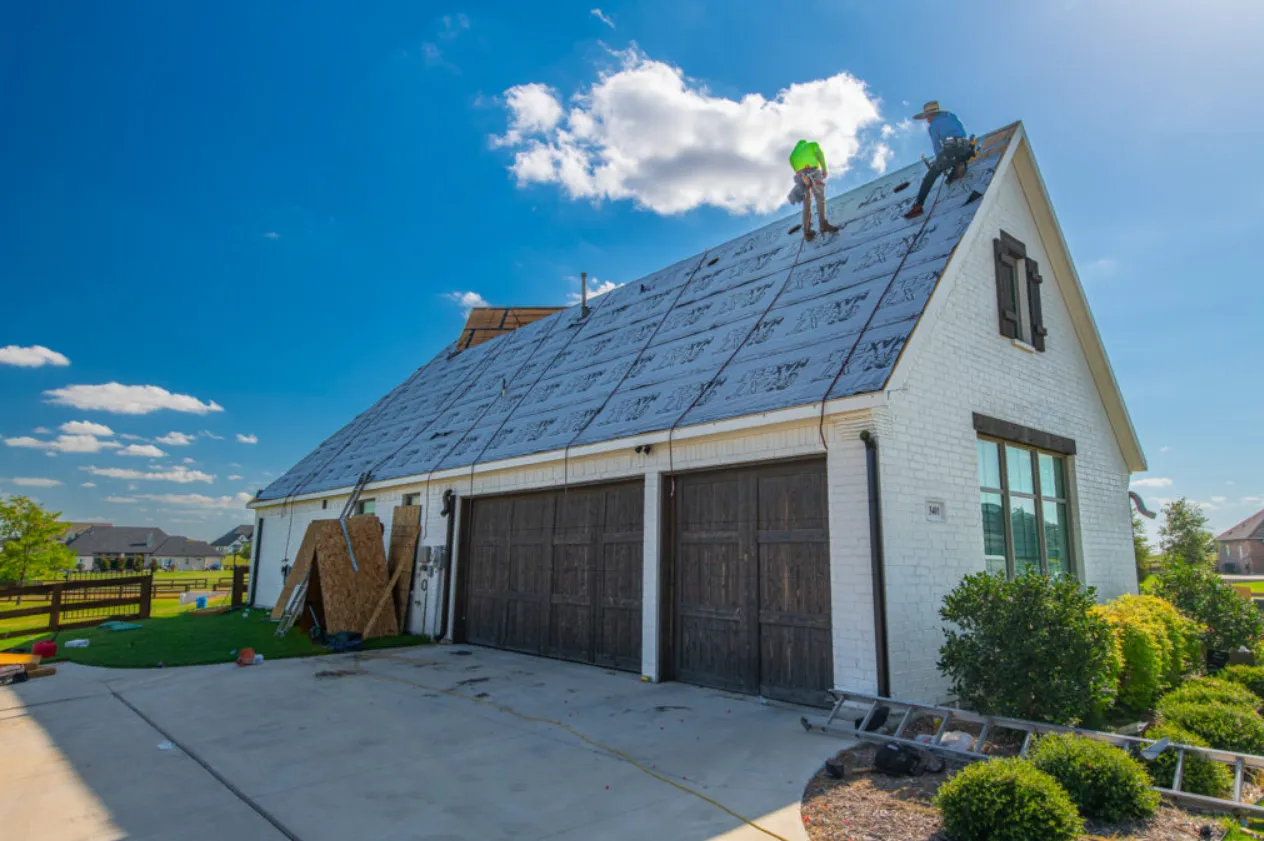
Fortified roofing solutions represent a significant advancement in residential and commercial roofing technology. Unlike standard roofing systems, fortified roofs are specifically engineered to withstand extreme weather conditions including high winds, hailstorms, heavy rainfall, and even hurricane-force events.
These specialized roofing systems typically incorporate reinforced materials, advanced installation techniques, and strategic design elements that work together to create a more resilient barrier. The fortified roofing concept was developed by the Insurance Institute for Business & Home Safety (IBHS) through their FORTIFIED Home program, which established standards for creating stronger, more durable homes.
The key components of fortified roofing generally include:
- Enhanced shingle or tile materials with higher impact ratings
- Reinforced roof decking with proper thickness and attachment methods
- Sealed roof decks to prevent water intrusion
- Strategic fastening systems designed to resist uplift forces
- Improved flashing and water barriers around roof penetrations
Each of these elements contributes to creating a roofing system that significantly outperforms standard installations in both longevity and protective capabilities. Homeowners considering a roof replacement should consult with experts like those at Pickle Roofing Solutions to determine the most appropriate fortified options for their specific property and regional weather challenges.
The Cost-Benefit Analysis of Fortified Roofing
When evaluating fortified roofing solutions, many homeowners naturally focus first on the initial investment. It’s true that fortified roofing systems typically cost 10-20% more than standard roofing installations. For an average home, this might translate to an additional $2,000-$5,000 depending on the size of the roof and the specific fortification measures implemented.
However, analyzing only the upfront costs provides an incomplete picture. The true value of fortified roofing becomes apparent when considering the total lifetime costs and benefits:
Extended Lifespan
Standard asphalt shingle roofs typically last 15-20 years, while basic tile roofs may last 20-30 years with proper maintenance. In contrast, fortified roofing systems can extend these lifespans by 5-15 years depending on the materials used and installation quality. This extended service life means fewer replacement cycles over the lifetime of home ownership.
Reduced Repair Expenses
Homes with fortified roofing systems experience significantly fewer weather-related damages. According to a 2022 study by the IBHS, homes with fortified roof systems were 50% less likely to require repairs after major wind events compared to standard roofing systems. Over a 30-year period, this can translate to thousands of dollars in avoided repair costs.
Insurance Premium Discounts
Many insurance companies now recognize the value of fortified roofing systems by offering premium discounts ranging from 5% to 25%. In states prone to severe weather events, these discounts can amount to hundreds of dollars in annual savings. Over the typical lifespan of a fortified roof, these insurance savings alone can offset a significant portion of the initial investment.
Energy Efficiency Improvements
Properly installed fortified roofing often includes enhanced insulation and ventilation components that improve energy efficiency. Homeowners typically report 7-15% reductions in cooling costs after installing fortified roofing systems with appropriate attic ventilation upgrades. These monthly savings accumulate substantially over the roof’s lifespan.
When calculating the true return on investment, consider that the typical payback period for fortified roofing ranges from 7-12 years through combined insurance savings, energy efficiency, and avoided repair costs. For homeowners planning to stay in their homes long-term, the financial benefits clearly outweigh the initial premium.
Weather Resistance: How Fortified Roofing Protects Your Home
Extreme weather events are becoming increasingly common across the United States. From hurricane-force winds along coastal regions to devastating hailstorms in the Midwest, homes face greater environmental challenges than ever before. Fortified roofing solutions offer superior protection against these destructive forces in several key ways:
Wind Resistance
Standard roofing is typically rated to withstand winds of 60-90 mph, depending on the installation quality and materials. Fortified roofing systems, however, are engineered to resist winds of 130 mph or higher. This enhanced wind resistance is achieved through specialized nailing patterns, reinforced edge securement, and strategic bracing that prevents uplift – the primary cause of roof failure during high-wind events.
During Hurricane Harvey in 2017, a neighborhood assessment in Texas revealed that homes with fortified roofing systems were three times less likely to suffer major roof damage compared to conventionally roofed homes in the same area. These real-world performance differences highlight the practical value of fortified systems in wind-prone regions.
Impact Resistance
Hailstorms cause approximately $1.6 billion in property damage annually, with standard roofing materials often requiring complete replacement after severe hail events. Fortified roofing incorporates impact-resistant materials rated Class 3 or Class 4 (the highest rating) that can withstand hailstones up to 2 inches in diameter without significant damage.
The enhanced impact resistance not only protects the roof itself but also prevents secondary water damage that often occurs when standard roofing materials are compromised by hail impacts. This comprehensive protection preserves both the exterior and interior of your home during severe weather events.
Water Infiltration Prevention
Water damage from roof leaks is among the most costly home repairs, often requiring extensive interior renovations beyond the roof itself. Fortified roofing systems include sealed roof decks with specialized water barriers that prevent moisture infiltration even if the primary roofing material is damaged.
This multi-layered defense system has proven particularly valuable during prolonged rain events when wind-driven water can penetrate even tiny vulnerabilities in standard roofing systems. For homeowners in regions that experience combined wind and rain events, this enhanced water resistance offers substantial protection for the entire home structure.
With climate data suggesting that extreme weather events will continue to increase in both frequency and intensity, the weather resistance provided by fortified roofing represents not just immediate protection but a long-term insurance policy against the uncertain weather patterns of the future. The experts at Pickle Roofing Solutions can provide region-specific recommendations for weather-resistant fortified roofing designs tailored to your local climate challenges.
Real-World Performance: Case Studies and Success Stories
The true test of any building material or system comes from its performance in real-world conditions. Fortified roofing solutions have consistently demonstrated their value through numerous documented case studies and homeowner experiences:
The Coastal Carolina Study
In 2021, researchers conducted a comprehensive assessment of 350 homes along the Carolina coastline following Hurricane Isaias. The study compared homes with standard roofing systems to those with fortified roofing solutions that had been installed within the previous five years. The results were striking: while 72% of standard-roofed homes required some form of roof repair averaging $6,800 per home, only 17% of fortified-roofed homes needed repairs, with an average repair cost of just $1,200.
One particular success story involved the Johnson family of Wilmington, who had invested in a fortified tile roof system in 2018. While many of their neighbors experienced significant roof damage and subsequent water infiltration during the hurricane, the Johnsons’ home emerged virtually unscathed. Their investment in fortified roofing not only spared them the stress and disruption of extensive repairs but also protected irreplaceable family heirlooms that might have been damaged by water intrusion.
The Midwest Hailstorm Analysis
Following a series of severe hailstorms across Oklahoma and Kansas in 2020, insurance data revealed that homes with fortified roofing systems experienced 74% less damage compared to homes with standard roofing in the same neighborhoods. Particularly impressive was the performance of fortified tile roofs, which showed exceptional resistance to hail impacts.
The Texas Winter Storm Experience
The unprecedented winter storm that struck Texas in February 2021 provided another compelling example of fortified roofing performance. As temperatures plummeted and snow and ice accumulated, many standard roofs experienced ice damming that led to significant water intrusion when melting began.
Homes with fortified roofing systems, particularly those with enhanced underlayment and properly sealed roof decks, reported 83% fewer instances of water infiltration. The Baker family of Austin had installed a fortified roofing system just months before the storm and shared that while several neighbors dealt with ceiling collapses and extensive water damage, their home remained dry and secure throughout the extreme weather event.
These real-world examples underscore that fortified roofing is not merely a theoretical improvement but a practical solution that delivers measurable protection under the most challenging conditions. The performance data consistently shows that these systems provide superior protection precisely when it matters most – during extreme weather events that would compromise standard roofing installations.
Environmental Benefits and Energy Efficiency
While fortified roofing solutions are primarily designed for enhanced durability and weather resistance, they offer significant environmental and energy efficiency advantages that many homeowners find equally compelling:
Reduced Material Waste
The extended lifespan of fortified roofing systems translates directly to reduced material consumption and landfill waste over time. Consider that approximately 11 million tons of asphalt shingle waste enter U.S. landfills annually, primarily from roof replacements. By lasting 30-50% longer than standard roofing, fortified systems significantly reduce this environmental impact.
For example, a typical 2,000 square foot home with standard roofing might require three complete roof replacements over 60 years. The same home with a fortified roofing system might need only one or two replacements in the same timeframe, preventing tons of construction waste and conserving the raw materials needed for production.
Enhanced Energy Performance
Fortified roofing installations typically include improved insulation and ventilation components that contribute to better thermal performance. These enhancements create a more effective thermal barrier, reducing the transfer of heat between the attic space and the living areas below.
During summer months, properly installed fortified roofing systems can reduce attic temperatures by 20-40 degrees compared to standard roofing installations. This dramatic temperature difference translates to reduced cooling demands, with many homeowners reporting 10-15% reductions in summer cooling costs following fortified roof installation.
Climate Impact Considerations
The energy efficiency improvements associated with fortified roofing contribute to reduced carbon emissions through decreased energy consumption. For an average home, these energy savings can prevent the emission of 1-2 tons of carbon dioxide annually – a meaningful contribution to climate impact reduction at the individual household level.
Additionally, many fortified roofing materials are now manufactured with recycled content and designed for eventual recyclability, further reducing their environmental footprint. Some advanced systems even incorporate cool roof technology that reflects solar radiation rather than absorbing it, helping to mitigate urban heat island effects in densely populated areas.
The combination of durability, energy efficiency, and reduced material consumption makes fortified roofing an environmentally responsible choice that aligns with growing consumer interest in sustainable home improvements. For homeowners concerned about both personal protection and environmental impact, fortified roofing solutions represent a rare opportunity to address both priorities simultaneously.
Making the Decision: Is Fortified Roofing Right for You?
Deciding whether to invest in fortified roofing requires careful consideration of several factors specific to your situation. While these enhanced systems offer clear benefits, they’re not necessarily the optimal choice for every homeowner. Consider these key decision factors:
Geographic Location and Weather Patterns
The value proposition of fortified roofing increases significantly in regions prone to severe weather events. If you live in hurricane-prone coastal areas, tornado alley, regions with frequent hailstorms, or areas with heavy snow loads, the protective benefits of fortified roofing provide substantial value. Conversely, in mild climate regions with limited extreme weather, the cost premium may be harder to justify based solely on weather protection.
Long-term Housing Plans
Your timeline for home ownership significantly impacts the return on investment for fortified roofing. Homeowners planning to remain in their current residence for 10+ years will likely recoup their investment through insurance savings, energy efficiency, and avoided repairs. Those planning to sell within a few years may not capture the full financial benefits unless the housing market in their area specifically values fortified roofing as a premium feature.
Budget Considerations
The 10-20% cost premium for fortified roofing represents a significant investment. While financing options and potential tax incentives can help manage this expense, it’s important to evaluate whether this investment aligns with your overall home improvement budget and priorities. Some homeowners choose to implement partial fortification focusing on the most critical elements if budget constraints exist.
Insurance Implications
Before making a decision, contact your insurance provider to understand exactly what premium discounts might be available for fortified roofing in your area. These discounts vary widely by location and provider, ranging from minimal to substantial. Documented insurance savings can significantly impact the financial equation when evaluating fortified options.
Home Value and Market Trends
Research local real estate trends to determine if fortified roofing adds recognizable value in your specific market. In some regions, particularly those with frequent severe weather, fortified features have become selling points that can command premium pricing. In other markets, these features may be less valued by potential buyers.
The decision ultimately requires balancing immediate costs against long-term benefits within your specific context. Many homeowners find it helpful to consult with experienced roofing professionals who can provide detailed analysis of how fortified roofing would perform in their particular situation, including projected costs and benefits tailored to their home’s characteristics and local conditions.
Why Fortified Roofing Delivers Lasting Value
Fortified roofing solutions represent a significant but worthwhile investment for many homeowners, especially in areas prone to severe weather. These systems go far beyond aesthetic upgrades—they serve as structural reinforcements that protect your home, reduce long-term maintenance costs, and contribute to energy efficiency and sustainability.
By enhancing durability through impact-resistant materials, sealed decks, and optimized ventilation, fortified roofs offer more than just damage prevention—they provide cost savings over time in the form of fewer repairs, lower insurance premiums, and reduced utility bills. As climate events become more intense and frequent, the value of long-term protection becomes even clearer.
Real-world case studies from storm-prone regions continue to validate the performance of fortified systems, and the growing number of insurance incentives underscores their rising relevance in today’s housing market. For homeowners who plan to stay in their homes long-term—or who simply want to invest in resilience and resale value—fortified roofing offers practical and financial benefits that standard systems simply cannot match.
Ultimately, the decision comes down to preparedness. Choosing a fortified roof means proactively protecting your home, your finances, and your peace of mind against a future of unpredictable weather. When you’re ready to take that step, the team at Pickle Roofing Solutions is here to help you evaluate your options and deliver a roofing system built to last.
About Pickle Roofing Solutions
At Pickle Roofing Solutions, we believe your roof should do more than shelter—it should secure, protect, and perform under pressure. With decades of hands-on experience in Texas roofing, we specialize in installing fortified roofing systems that go above and beyond standard protection. Whether you’re upgrading an older roof or building a new, our certified team provides expert guidance, high-performance materials, and professional craftsmanship tailored to your region’s specific climate challenges.
From storm-ready shingles to sealed decks and energy-efficient upgrades, we help homeowners make strategic choices that increase home value and reduce long-term costs.
Ready to build a stronger roof? Contact Pickle Roofing Solutions today for a consultation and discover how fortified roofing can protect your home for decades to come.
| Business Name: | Pickle Roofing Solutions |
| Address: | 1333 W McDermott Dr # 200, Allen, TX 75013 |
| Phone number: | (972) 954-7186 |