
Last Updated on March 31, 2026 by Johnny Peter
Most individuals change to a toothbrush with the hope of improved oral health, only to feel overwhelmed by the number of options available. Some brushes are too harsh, while others get worn easily, and some do not clean at all. As a result, the outcome tends to be similar, as the question of what, precisely, contributes to better teeth and gums remains open.
A better approach starts with understanding what makes a natural toothbrush set effective for daily use, focusing on comfort, material safety, and cleaning performance. When these factors align, brushing becomes more consistent and effective without extra effort.
This article discusses the core features that define a high-quality natural toothbrush option and what to look for before choosing one.
1. Material Choice Impact on Oral Health
The effectiveness of any toothbrush begins with its material composition, which directly influences hygiene safety and durability. A well-designed natural toothbrush set typically uses plant-based or biodegradable materials that reduce exposure to unnecessary synthetic materials while maintaining structural strength for daily brushing.
Moreover, bamboo-based handles and similar natural fibres offer comparable cleaning efficiency to plastic alternatives when designed correctly. Additionally, material texture and surface finish also affect microbial buildup over time, influencing overall oral hygiene outcomes.
Research shows that biopolymer-based materials such as nanocellulose can remain stable in humid environments while reducing long-term environmental waste.
2. Bristle Design for Sensitivity Cleaning
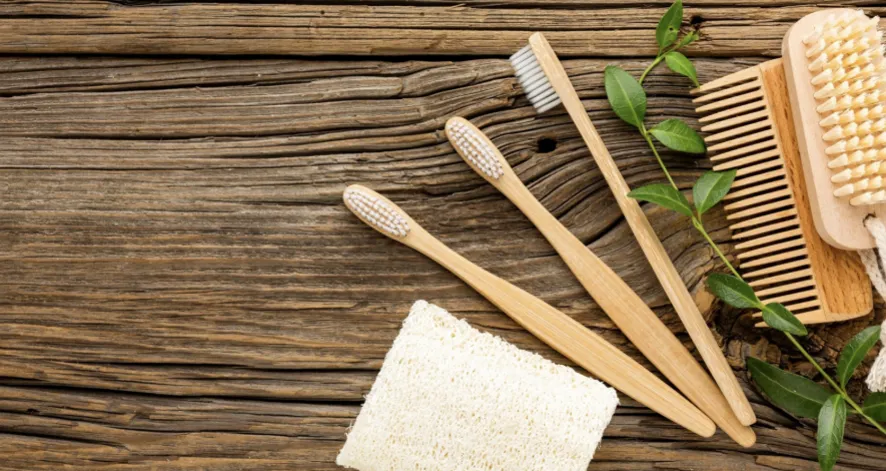
The bristle structure is a major factor in the removal of plaque and protection of the gums. The most suitable natural toothbrush type can strike the right balance between soft and firm enough not to destroy enamel or irritate sensitive gums. This balance is particularly essential to users who are likely to have gum recession or weaker enamel.
Modern dental studies emphasize that bristle tip shape and density significantly affect cleaning performance in hard-to-reach areas. Rounded filament ends reduce abrasion while still maintaining effective plaque disruption along the gumline.
According to recent research, softer bristles with tapered ends demonstrate improved gingival comfort while maintaining cleaning efficiency comparable to medium-bristle synthetic brushes.
3. Handle Ergonomics for Daily Control
A toothbrush is only effective when used consistently, and the design of the handle therefore directly influences its effectiveness. With ergonomic shaping, one can achieve a more stable grip, particularly when brushing on an angled layout through molars and the inner tooth surfaces. However, even good-quality bristles would not work unless they are properly controlled.
Natural designs of toothbrushes often focus on lightweight construction, which in turn leads to less strain in the wrists and a higher level of maneuverability. Moreover, this is particularly valuable to those users who have less hand strength or those who brush for longer periods when cleaning their teeth as a gum-care routine.
Also, there is a grip texture and handle diameter that contribute to the control of brushing pressure, thereby avoiding excessive force that destroys gum tissue with time. Therefore, even pressure distribution has continued to be a central consideration in the management of oral health in the long term.
4. Sustainability Certification Environmental Impact
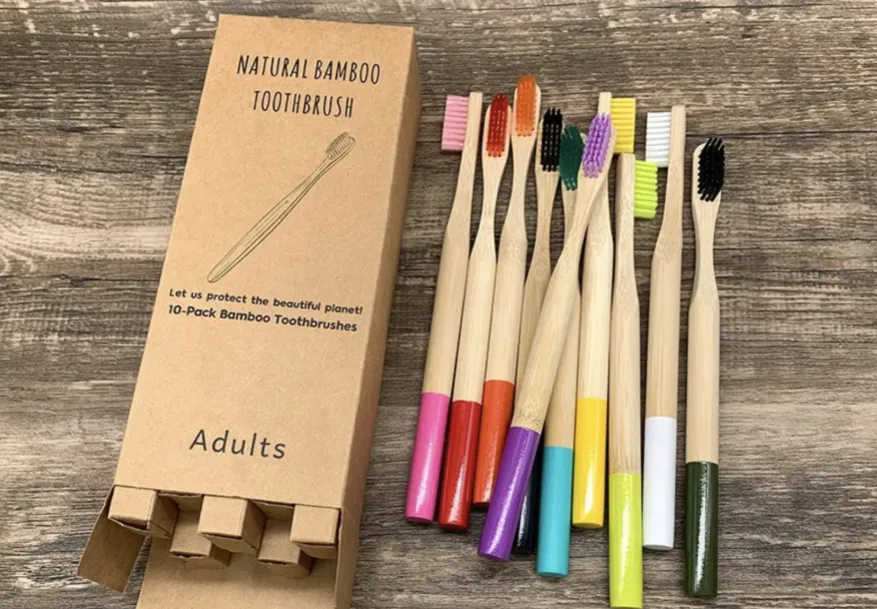
Environmental responsibility has become a key factor in toothbrush selection. Sustainable production practices reduce plastic waste while promoting renewable material sourcing. A well-made natural toothbrush should align with recognized environmental standards rather than relying on vague sustainability claims.
Life-cycle assessments published in environmental science journals show that biodegradable toothbrush components significantly reduce long-term landfill impact compared to conventional plastic handles. These studies also highlight that compostability depends on both material type and disposal conditions.
Moreover, eco-material adoption confirms that consumer shift toward biodegradable oral-care products can meaningfully reduce microplastic pollution in waste systems.
5. Hygiene Maintenance Product Longevity
Proper maintenance is essential for overall toothbrush performance. In particular, natural materials need to be properly dried in order to avoid retention of moisture, which may otherwise cause early wear or bacterial growth. Therefore, a well-organized care routine guarantees consistency in cleaning performance.
Users should replace their toothbrush every three months or earlier when they become frayed. The same rule applies to natural fiber brushes, although storage conditions may have an effect on the rate of wear. Hence, to minimize the risk of degradation, the brush must be kept in a ventilated area.
Moreover, regular replacement cycles combined with proper cleaning habits significantly reduce bacterial accumulation on toothbrush surfaces, supporting better overall oral health outcomes.
6. Pressure Balance Gum Protection Care
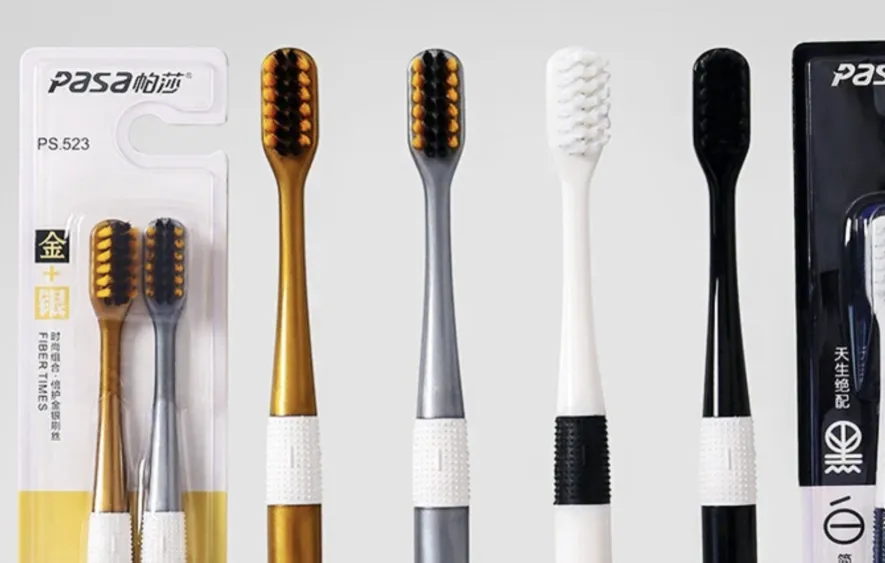
Proper pressure control determines how effectively a toothbrush protects gum tissue during daily cleaning. Excess force often leads to gum irritation, while insufficient pressure fails to remove plaque buildup along the gumline. A balanced approach ensures both safety and cleaning efficiency without discomfort.
Furthermore, brushing force is also a major determinant of the prevention of gingival abrasion. Maintaining low-to-moderate pressure is constant, it enhances the results of plaque removal, besides lowering the chances of gum recession in the long run. This elevates the consciousness of pressures as significant as the quality of the bristles or the shape of the handle.
Moreover, users who have embraced the use of controlled brushing get better gum stability in the long run. Precisely formed bristles at moderate pressure assist in achieving healthier responses of the soft tissues and improved daily oral hygiene performance.
Conclusion
Choosing the right toothbrush goes beyond appearance and branding. Rather, all these functions combine to define effectiveness, such as material safety, bristle structure, ergonomic handling, sustainability, and good maintenance. Furthermore, every feature serves to pay off in terms of oral health as well as long-term use.
Prioritizing balanced bristles, responsibly sourced materials, and eco-friendly design leads to a more consistent and effective brushing routine. Prioritizing balanced bristles, responsibly sourced materials, and eco-friendly design leads to a more consistent and effective brushing routine.